Why Financial Call Centers Need Military-Grade Security
Welcome to Texas Cyber Solutions, Houston’s trusted provider for elite, locally tailored cybersecurity solutions.
Our founders have vast experience securing call centers across financial services. They have seen and mitigated nearly every threat a high-volume insurance enrollment center or mortgage brokerage might face.
Today’s article will discuss how and why a financial services call center can apply military-grade zero-trust architecture to secure its most critical asset from internal and external threats.
All suggestions are based on the experience and knowledge of our founders, who intimately understand your business’s needs to balance security with operations.
Table of Contents
- Why Financial Call Centers Need Military-Grade Security
- The Security Risks of Financial Call Centers
- The Only Solution? A Zero Trust, Military-Grade Security Framework.
- 1. Physical Security: Data Never Walks Out the Door
- 2. Locking Down Network & Electronic Security
- 3. Zero Trust for Employees: Nobody Gets Full Access
- 4. Insider Threat Detection: Trust, But Verify
- How Can Call Centers Detect Insider Threats?
- 5. No Untraceable Communications: Every Message Logged
- 6. Securing and Limiting Remote Work
- 7. Regulatory & Compliance Considerations
- Future-Proof Your Call Center with Military Grade Security
The Security Risks of Financial Call Centers
Most people associate financial fraud with cybercriminals hacking into databases, but the biggest security threat often comes from within, especially in call centers handling personal financial data. Unlike institutional financial firms that operate within regulated High Assurance Environments (HAE), many mortgage brokers, insurance brokerages, and sales-driven financial operations function in high-pressure, revenue-driven environments where security often takes a backseat.
Financial call centers deal with high-value client data, direct customer interaction, and a commission-based structure that increases the risk of insider threats, data exfiltration, and fraud. The competitive nature of these organizations fosters an environment where data isn’t just information; it’s a high-value asset that can be stolen, sold, or misused without proper security controls.
Your call center contains data that must be kept secret and never leave the building. The protocols for accomplishing that are the same ones the military uses to keep information securely within designated facilities.
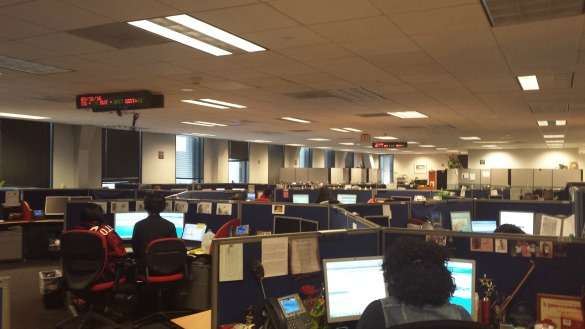
The mindset for adopting military-grade security is to treat your financial services business like a SCIF (Secure Compartment Information Facility) and lock it down.
- Client Exfiltration & Competitive Theft: This is a persistent battle in financial call centers. Agents frequently steal sales data, policies, mortgage details, and customer contact lists, selling them to competitors or fraud rings or using them to establish competing businesses. This leads to massive revenue losses, regulatory violations, and increased client churn.
- Broker-Executed Fraud & Identity Theft: Some brokers engage in direct fraud, using stolen Social Security numbers, credit reports, and financial data to open fraudulent accounts, apply for loans, or manipulate credit histories. This form of insider threat results in multi-million dollar lawsuits and regulatory action and can permanently erode client trust.
- Selling PII on the Dark Web: Employees with privileged access to sensitive client data can exfiltrate and sell it on dark web marketplaces, where stolen identities command hundreds to thousands of dollars per record. This fuels identity theft, credit fraud, and large-scale financial crimes, exposing organizations to severe compliance violations and legal penalties.
- A Sales-First Culture with Security Gaps: Many financial call centers operate under a growth-at-all-costs model, where security is often viewed as a blocker rather than a necessity. Without stringent security controls, high-pressure sales environments increase the likelihood of policy circumvention, accidental breaches, and intentional data theft.
- Regulatory & Legal Risks: Firms that fail to implement Zero Trust Architecture (NIST 800-207) and Data-Centric Security Models (DCSM) face severe legal liabilities, regulatory scrutiny, and reputational damage that can lead to permanent business loss.

The Solution: Zero Trust + High Assurance Security
The best defense against insider threats, data leaks, and financial fraud? Adopt the same security frameworks used by military and intelligence agencies—leveraging Zero Trust Architecture, Data-Centric Security, and High Assurance Environments (HAE).
A properly designed security framework eliminates risk without disrupting revenue-generating operations. Implementing the same security principles used in a SCIF in financial call centers safeguards revenue streams in two critical ways:
- Preventing Client Exfiltration & Insider Threats: Modern adversaries aren’t just external hackers—they’re internal bad actors. Implementing micro segmentation, role-based access control (RBAC), and behavioral analytics prevents agents from stealing, sharing, or exfiltrating high-value client data.
- Avoiding the Cost of a Breach: The average financial services data breach cost $5.97 million per incident in 2022 (IBM). Advanced security controls such as Data Loss Prevention (DLP), automated monitoring, and encrypted data compartments mitigate the risk of catastrophic loss.
The best solution? Implementing military-grade security in financial call centers means leveraging Zero Trust, Insider Threat Detection, and Compliance-Driven Security Models to proactively eliminate risk, protect revenue, and ensure regulatory compliance.
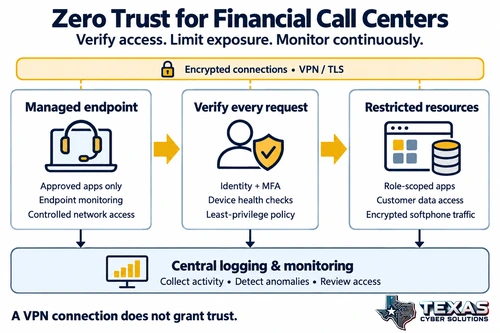
What is Military-Grade Security for Financial Call Centers?
Military-grade security applies Zero-Trust principles and High-Assurance security frameworks to financial call centers, using strict physical, network, and insider threat controls to prevent data breaches. Just like how national security agencies protect classified information within compartmentalized environments, financial institutions must implement hardened security architectures to safeguard sensitive client data.
Why? Because call centers are high-value targets, dealing with sensitive PII, credit reports, banking data, and policy details—the exact type of information that insider threats, fraud rings, and cybercriminals actively seek. Without strict controls, your call center is an open vault.

Why Do Financial Call Centers Need Military-Grade Security?
Financial call centers are the weakest link in data security due to their high-volume access to client information, aggressive sales culture, and historically weak security enforcement. The cost of a breach is measured in lost revenue, client trust, and regulatory penalties.
- Rising Insider Threats: Employees and contractors pose significant risks if they have unrestricted access to client data. Without least privilege access controls (RBAC) and behavior-based monitoring, sensitive information is easily exfiltrated.
- Increasing Regulatory Scrutiny: Compliance with GLBA, PCI DSS, SOX, and CFPB regulations is tightening. Financial institutions failing to meet Zero Trust and Data-Centric Security standards face heavy fines and legal action.
- Reputational & Financial Damage: A single breach can lead to millions in losses, lawsuits, and a permanent erosion of customer confidence. Call centers that fail to secure client data face long-term business destabilization.
The Only Solution? A Zero Trust, Military-Grade Security Framework.
Modern financial institutions can no longer rely on outdated security models. The only way to prevent fraud, insider theft, and compliance failures is by implementing:
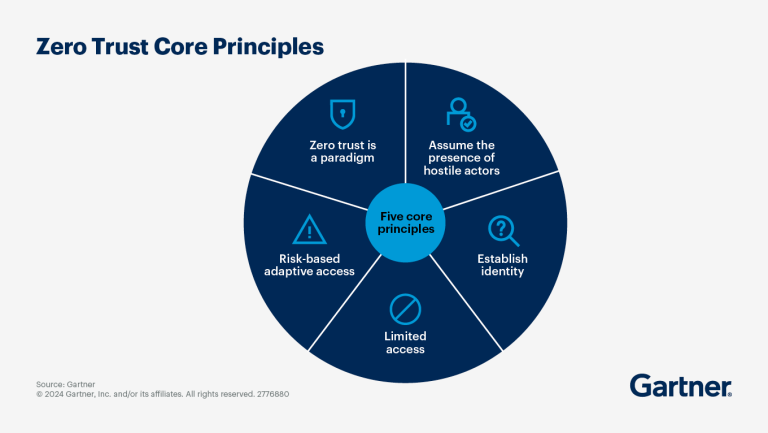
✔ Zero Trust Architecture (NIST 800-207) → No implicit trust, continuous authentication, and strict segmentation of data access.
✔ High Assurance Environments (HAE) → Enforcing physical security, compartmentalization, and secure endpoint controls like defense agencies.
✔ Data-Centric Security Model (DCSM) → Ensuring client data remains protected no matter where it moves.
If your call center isn’t secured like a high-assurance facility, it’s a breach waiting to happen.
Learn more about Strategic Cybersecurity Leadership here
1. Physical Security: Data Never Walks Out the Door
How Can Call Centers Prevent Physical Data Theft?
Physical security is the first line of defense against data breaches. Most breaches don’t happen through sophisticated hacking—they happen because someone physically walks out with sensitive information.
- Device-Free Work Zones: Personal phones, USB drives, and even paper notebooks should be banned in secure areas.
- Mandatory Bag Checks: Employees carrying bags should be checked at security points.
- No Print, No Paper Trail: Restrict printing capabilities, log all print jobs, and enforce shredder-only disposal.
- Security Badges & Access Control: Employees should only have access to their designated work areas, preventing unauthorized movement within the facility.
Texas Cyber Solutions Rule: If it can be written down, it can be stolen. Go digital or go home.
2. Locking Down Network & Electronic Security
How Can Financial Call Centers Prevent Digital Data Leaks?
The modern attack surface includes more than firewalls and VPNs—it also includes rogue access points, unsecured Wi-Fi connections, and employees’ unsanctioned software. Preventing digital data leaks requires strict IT security policies.
- No Personal Wi-Fi: Employees should be unable to connect work devices to unauthorized hotspots.
- Hardwired Workstations Only: Workstations should be wired only, eliminating the risk of unsecured wireless access.
- Softphone Security: VoIP systems should have encrypted SIP traffic, call recording, and geofencing to block unauthorized access.
- EMF & RF Monitoring: Organizations serious about security can implement Faraday shielding to prevent rogue radio transmissions and eavesdropping.
Texas Cyber Solutions Rule: If your agents can open Instagram on their workstations, you’re already compromised. Lock it down.

Learn about Enterprise-Grade Network Security Solutions here
3. Zero Trust for Employees: Nobody Gets Full Access
What is Zero Trust Security in Financial Call Centers?
Zero Trust assumes every user and system is a potential threat. Employees should never have more access than they need to perform their duties. This limits insider threats and reduces damage in the event of a breach.
How to Implement Zero Trust in a Call Center:
- Role-Based Access (RBAC): Employees should only be able to access data relevant to their role—nothing more.
- Dynamic Redaction: Personally Identifiable Information (PII) should be masked by default unless explicitly required.
- Microsegmentation: Call centers should separate departments into isolated data pools so mortgage reps can’t access insurance client files and vice versa.
Texas Cyber Solutions Rule: No employee needs full access to everything. Limit it, log it, lock it.
4. Insider Threat Detection: Trust, But Verify
How Can Call Centers Detect Insider Threats?
Most breaches don’t come from hackers. They come from employees with too much access to company information. Insider threats are especially dangerous because they involve people with permissions inside your network.
- Keystroke & Clipboard Logging: If an agent copies and pastes client details into an unauthorized app, that’s a red flag.
- Screen Recording & Session Audits: High-risk employee sessions should be recorded and reviewed for suspicious behavior.
- Automated Alerts for Data Hoarding: Security should be immediately notified if an agent suddenly downloads 500 client records in one shift.
Texas Cyber Solutions Rule: If you’re not watching, someone’s stealing. Track everything.

5. No Untraceable Communications: Every Message Logged
How Can Financial Call Centers Prevent Shadow Communications?
Shadow communications—personal email, texts, and unsanctioned messaging apps—are a major risk for data leaks. Your security is already compromised if an agent can send client data through Gmail or Slack.
- Block Personal Email & Cloud Storage: Gmail, Outlook, Dropbox, Google Drive, and WeTransfer should not be accessible on work devices.
- Disable External Messaging: WhatsApp, Facebook Messenger, Telegram, and unauthorized Slack direct messages (external DMs should be disabled).
- Flag Unusual Outbound Communications: AI-driven monitoring can detect attempts to send sensitive data externally.
Texas Cyber Solutions Rule: If you wouldn’t let a CIA agent send top-secret data over Gmail, why let your agents?
6. Securing and Limiting Remote Work
How to Secure Remote Call Center Agents?
Remote work adds an entirely new level of risk. Remote employees can use personal devices, unsecured Wi-Fi, and shadow IT to bypass security controls without proper safeguards.
- VDI-Only (Virtual Desktop Infrastructure): Remote agents should only access data through a virtual environment, never a local machine.
- Clipboard & File Transfer Restrictions: It is essential to prevent copy-pasting and file transfers outside of the secured VDI environment.
- Always-On Monitoring: Every remote session should be recorded, analyzed, and flagged for any suspicious activity.
Texas Cyber Solutions Rule: If remote workers aren’t using VDI with full monitoring, they’re a walking backdoor.

7. Regulatory & Compliance Considerations
What Regulations Apply to Financial Call Centers?
Financial call centers must comply with multiple security and privacy regulations to protect client data and avoid heavy fines.
- GLBA (Gramm-Leach-Bliley Act): Requires financial institutions to safeguard client data.
- PCI DSS (Payment Card Industry Data Security Standard): Enforces security measures for handling payment transactions.
- SOX (Sarbanes-Oxley Act): Mandates strong security controls over financial reporting and record-keeping.
How Military-Grade Security Ensures Compliance:
- Strict Access Controls → Meets GLBA’s data protection requirements.
- Data Monitoring & Logging → Aligns with PCI DSS security standards.
- Audit-Ready Security Policies → Ensures SOX compliance.
Learn more about Strategic Cybersecurity Leadership here
Future-Proof Your Call Center with Military Grade Security
Financial call centers are high-value targets for insider threats, client data exfiltration, and competitive data theft. These aren’t hypothetical risks; they’re daily realities in high-pressure, sales-driven environments where a single security lapse can cost millions. Regulatory scrutiny is intensifying, cybercriminals are evolving, and competitors are actively poaching client data.
The question isn’t if a breach will happen, but when.
The solution? Run your call center like a SCIF. Government-level security isn’t just an abstract concept; it’s a proven framework that eliminates risk while keeping revenue operations efficient. A properly designed security architecture prevents costly data breaches, strengthens client trust, reinforces compliance, and eliminates competitive theft before it ever happens.
How Texas Cyber Solutions Locks Down Your Call Center
Texas Cyber Solutions doesn’t just check compliance boxes—we engineer security ecosystems that fortify your call center against fraud, data leaks, and insider threats.
🔹 Security Architecture & Zero Trust Implementation
- Network segmentation to prevent unauthorized lateral movement
- Role-based access Control (RBAC) to enforce least privilege access
- Real-time monitoring & anomaly detection to spot insider threats before damage occurs
- Advanced endpoint security & Data Loss Prevention (DLP) to stop leaks at the source
🔹 Security Assessments & Insider Threat Audits
- Red team assessments simulating real-world social engineering & internal fraud attacks
- Behavioral analytics & risk profiling to detect and deter high-risk employees
- Compliance audits & gap analysis to ensure full alignment with GLBA, PCI DSS, SOX, and CFPB requirements
🔹 Strategic Advisory & Incident Response Readiness
- Custom security roadmaps that eliminate risk without disrupting sales operations
- Regulatory advisory & compliance strategy to keep you ahead of legal mandates
- Incident response planning & tabletop exercises to ensure breach readiness
Your Call Center Is Either Secured or It’s a Breach Waiting to Happen.
Every minute your financial call center operates without proactive, military-grade security, it remains vulnerable to data theft, regulatory fines, and irreparable reputational damage. The financial cost of a breach is devastating, but the loss of client trust is permanent.
Don’t wait until a breach exposes your vulnerabilities. Texas Cyber Solutions delivers the expertise, security architecture, and strategic advisory services your call center needs to eliminate insider threats, fortify compliance, and safeguard client data.
📞 Schedule a consultation today. Protect your call center, secure your clients, and stay ahead of fraudsters before they even make a move.
🚀 Contact Texas Cyber Solutions Now
Written By:
David Taxer is the founder of Texas Cyber Solutions, combining an attacker’s mindset with an investigator’s eye for evidence. His work spans penetration testing, security architecture, digital forensics and open-source intelligence, connecting technical weaknesses with the human behavior and business decisions behind them. Quoted by KHOU 11 and featured on Fraudish and The Hacker’s Cache, David writes about how attacks unfold, what the evidence reveals, and how organizations can build stronger defenses.